The Department of Computer Science faculty Published paper in International Conference July-2026
Date: 29th July 2026
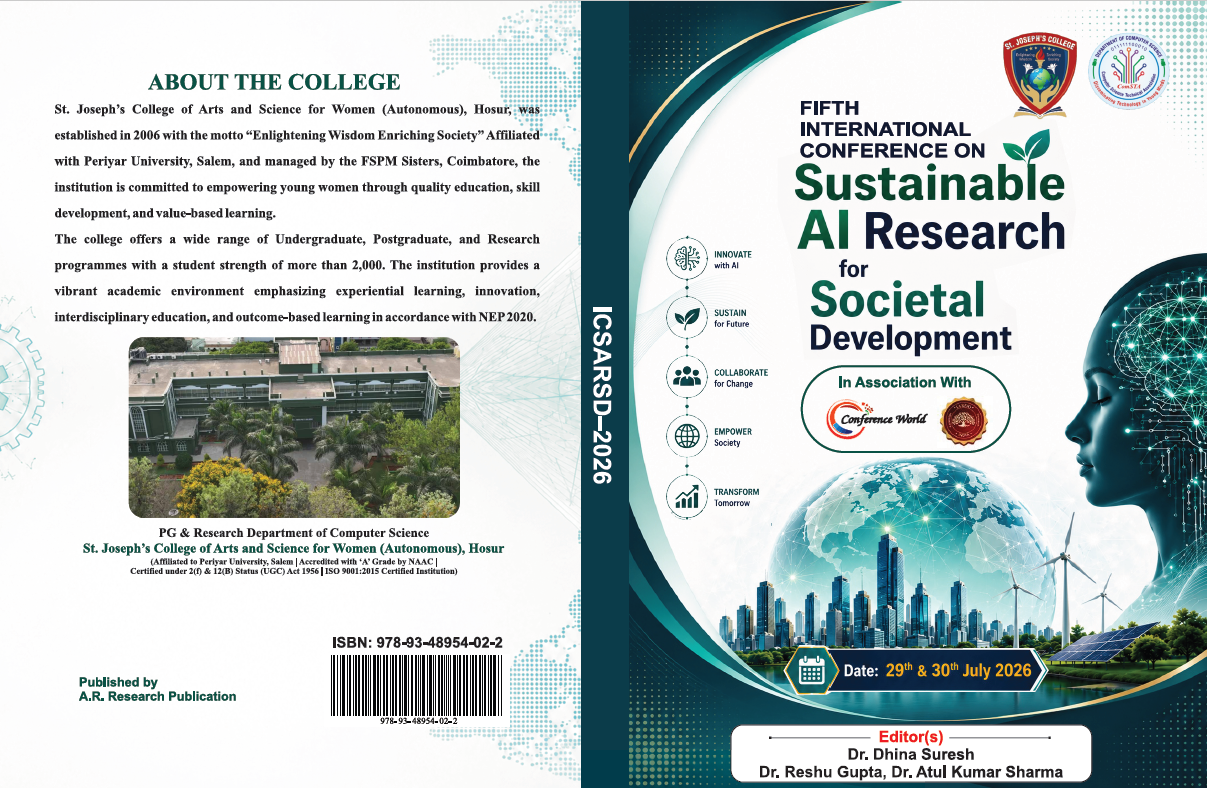
Conference: 5th International Conference ICSARSD–2026
Place: St.Joseph College of Arts Science and Commerce For Womens,Hosur,Tamil nadu
Conference Theme : Sustainable AI Research for Societal Development: Sustainable AI Research for Societal Development
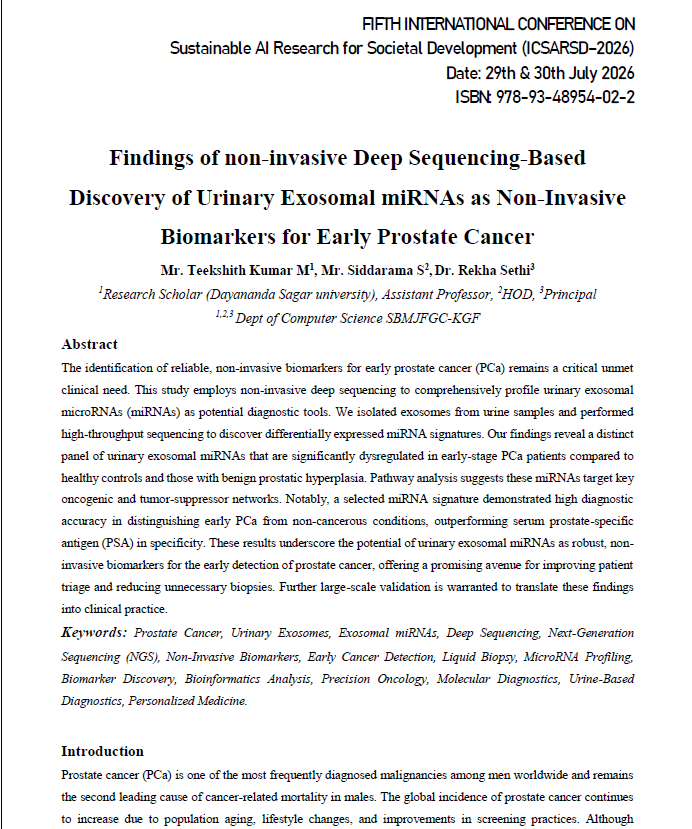
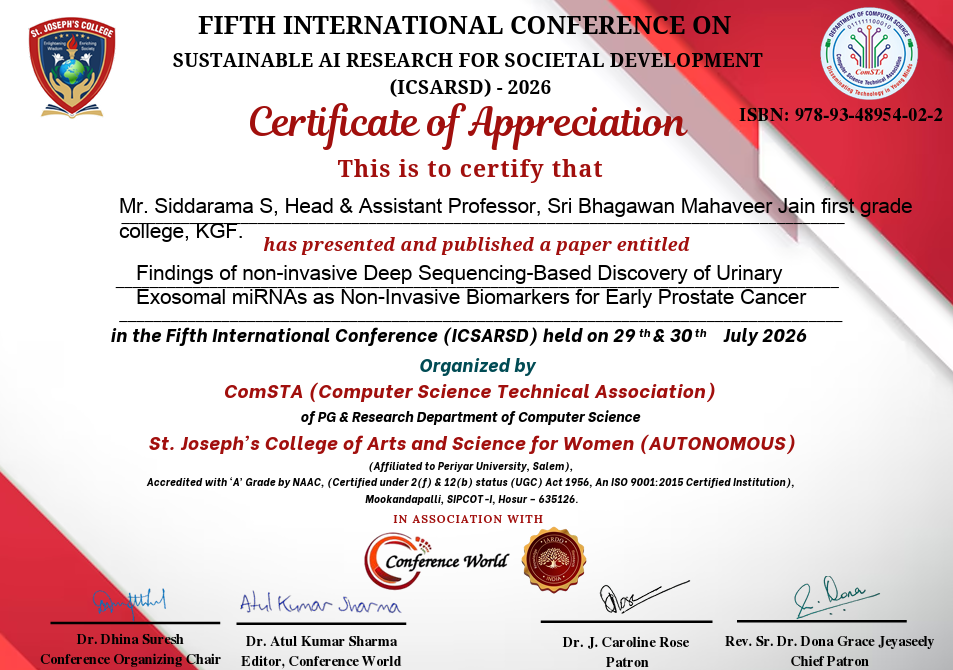
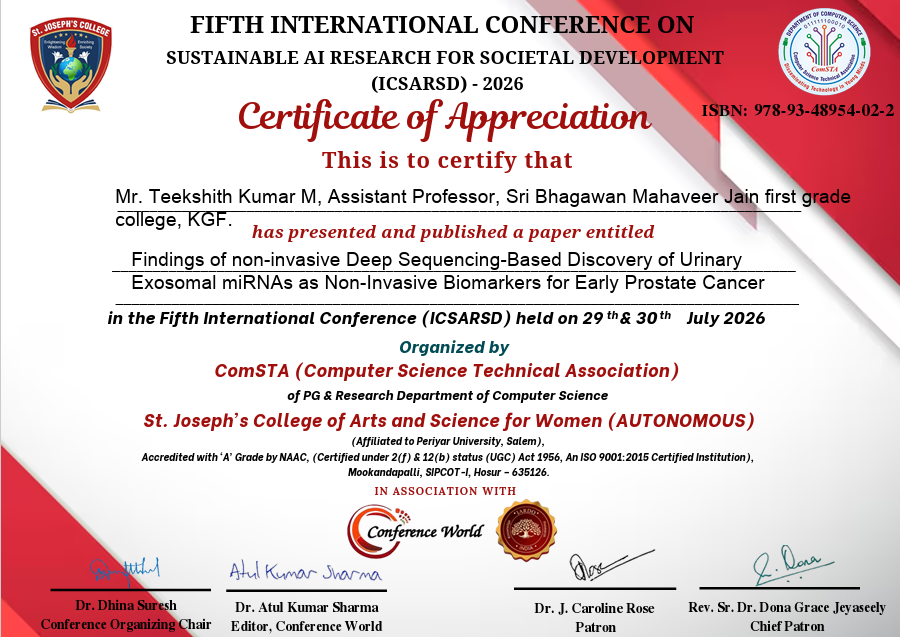
Title of Paper Published : Findings of non-invasive Deep Sequencing-Based Discovery of Urinary Exosomal miRNAs as Non-Invasive Biomarkers for Early Prostate Cancer
ISBN: 978-93-48954-02-2
About The Conference :
Sustainable Artificial Intelligence for Societal Development and Social Well-Being
Sustainable AI Solutions for Smart, Inclusive, and Resilient Societies
Artificial Intelligence for Sustainable Development and Societal Transformation
Sustainable and Responsible AI for Social and Economic Development
AI-Driven Sustainable Solutions for Societal Challenges and Development
Green and Sustainable Artificial Intelligence for Future Societal Development
Responsible AI for Sustainable Communities and Societal Progress
Sustainable AI Technologies for Smart Communities and Social Development
AI for Sustainable Development: Innovations, Challenges, and Societal Impact
Emerging Sustainable AI Frameworks for Inclusive and Sustainable Societal Development
The Department of Computer Science Facultie Conducted On-line Orientation For BCA Students-2026
Faculty In-charge :
Mr. Teekshith Kumar M
Assistant Professor,Department of Computer Science-SBMJFGC-KGF
Date : 16-7-2026
Mode :On-line
Reason for Conducting the Online Orientation on Internship for BCA Students – 2026
The Department of Computer Science organized an Online Orientation on Internship for BCA Students – 2026 to create awareness about the importance of internships in shaping students’ professional careers. The session aimed to familiarize students with internship opportunities available in the IT industry, eligibility criteria, application procedures, and expected workplace ethics. Students were guided on developing technical skills, communication abilities, teamwork, and problem-solving techniques required in real-world organizations. The orientation also highlighted the significance of industry exposure, practical learning, and hands-on experience beyond classroom education. Experts explained how internships bridge the gap between academic knowledge and industrial requirements. The program encouraged students to prepare professional resumes, build strong LinkedIn profiles, and enhance their employability through certifications and projects. Information regarding virtual and offline internships, placement support, and career planning was also provided. Students gained insights into current industry trends, emerging technologies, and employer expectations. The session motivated them to participate actively in internships to improve confidence and professional competence. Overall, the orientation empowered BCA students with the knowledge and guidance needed to make informed career decisions, strengthen their technical expertise, and increase their chances of securing rewarding employment opportunities after graduation.
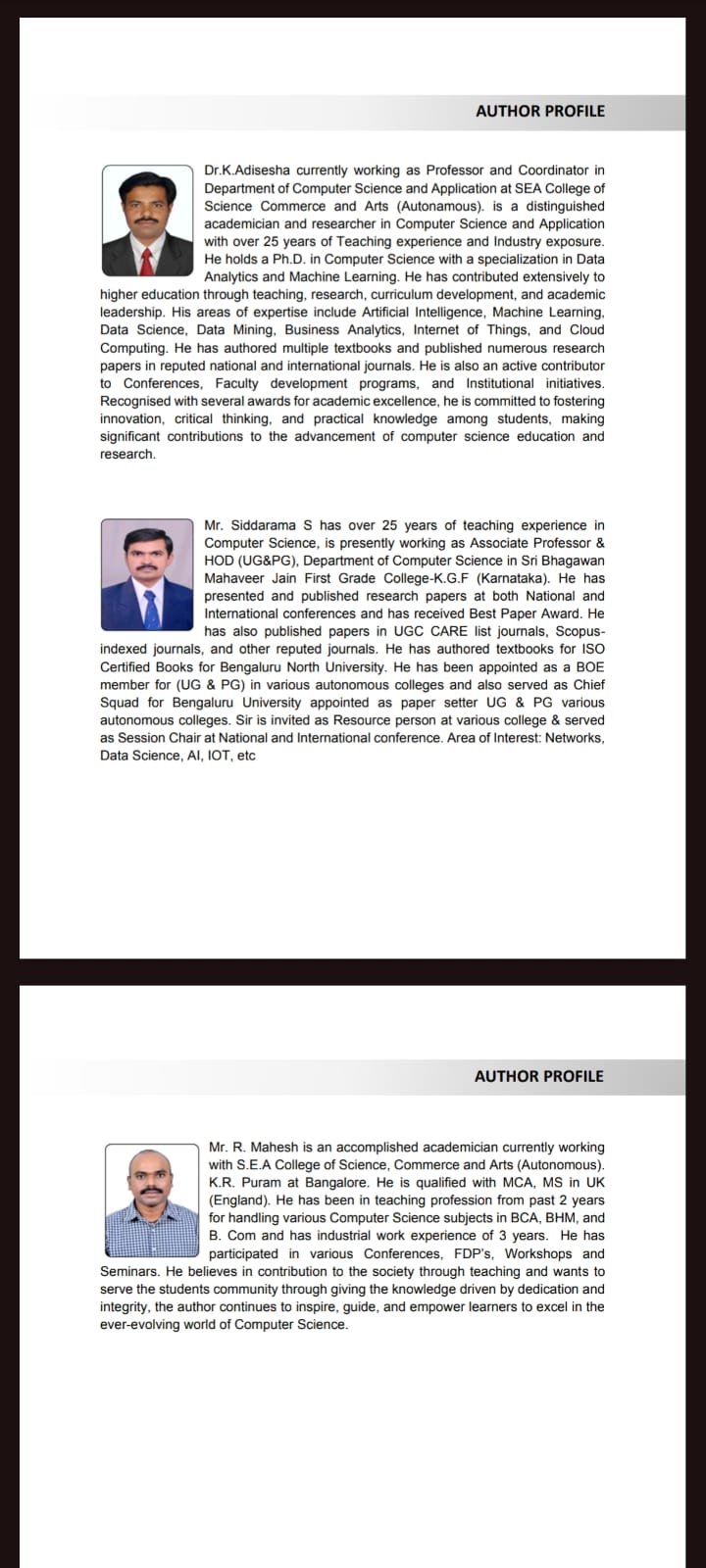
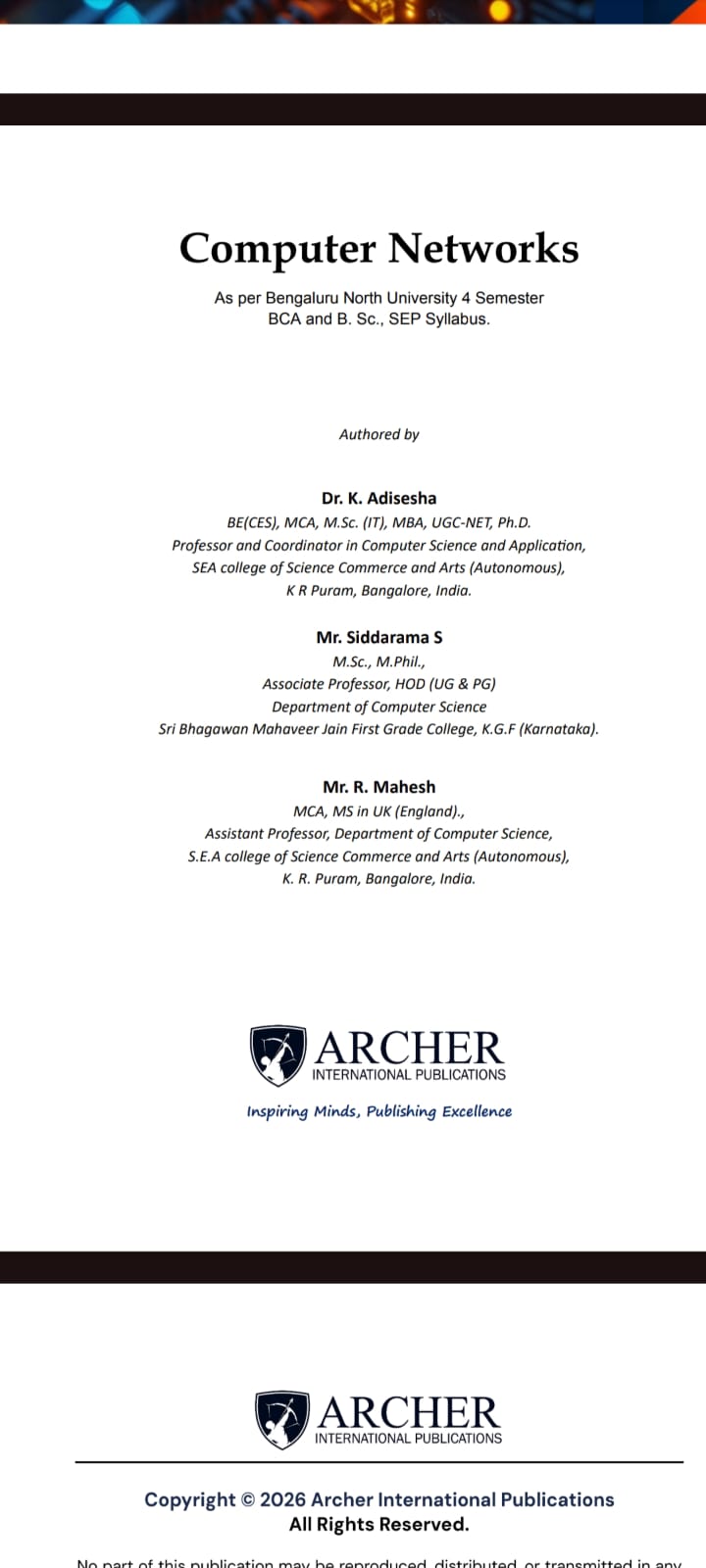
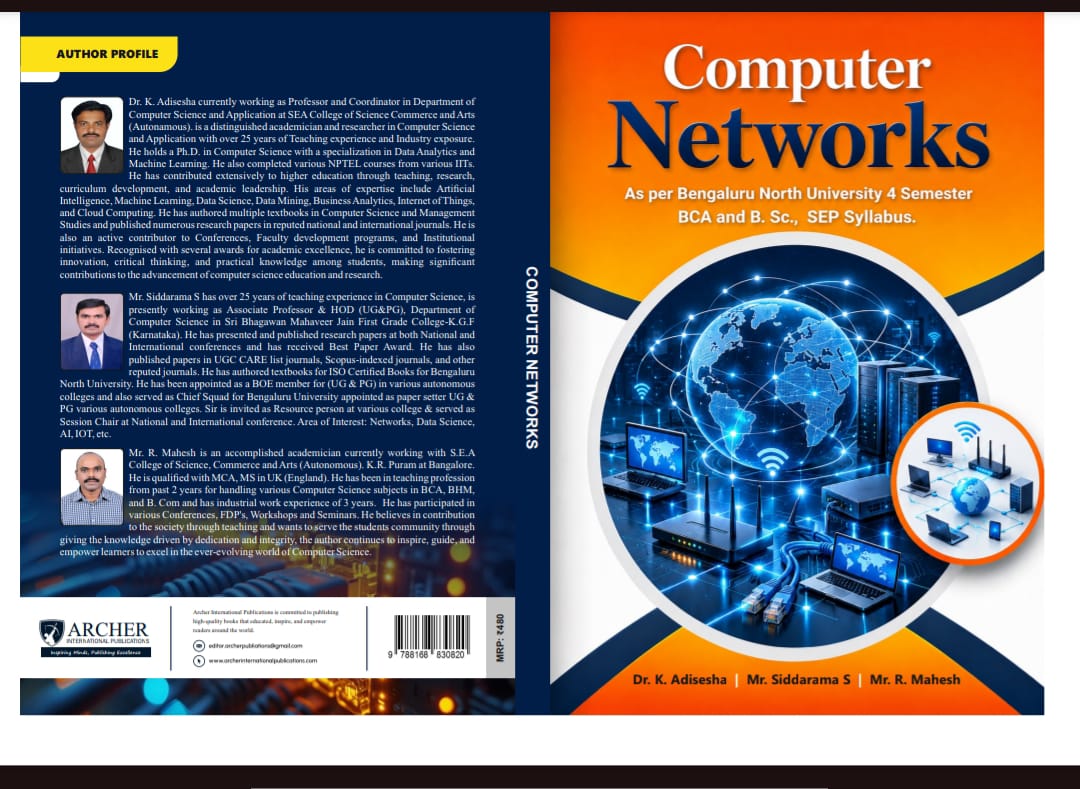
The Department of Computer Science Faculty Published Text Book For SEP BCA 2026
Author : Mr. Siddarama S
Head, Department of Computer Science-SBMJFGC-KGF
Title of Text Book : Computer Networks
ISBN : 9-788168-830-820
Motive to Publish the Computer Science Textbook Computer Networks by Author
The publication of the textbook “Computer Networks” by Siddarama is driven by the vision of providing students with a comprehensive, practical, and industry-oriented understanding of computer networking concepts. The book is designed to bridge the gap between theoretical knowledge and real-world networking applications, enabling learners to build a strong technical foundation. It covers essential topics such as network architecture, communication protocols, network security, wireless technologies, cloud networking, and emerging trends in a simple and structured manner. Special emphasis has been given to concepts aligned with the latest university syllabi and current industry requirements, making it an ideal resource for undergraduate and postgraduate Computer Science students. The book encourages analytical thinking, problem-solving, and hands-on learning through examples and practical scenarios. It also serves as a valuable reference for competitive examinations, certification courses, and professional development. By simplifying complex networking concepts, the author aims to make quality technical education accessible to every learner. The publication reflects a commitment to academic excellence, innovation, and skill development in the field of Computer Science. It is expected to inspire students, educators, and aspiring IT professionals to explore networking technologies with confidence and contribute effectively to the rapidly evolving digital world.
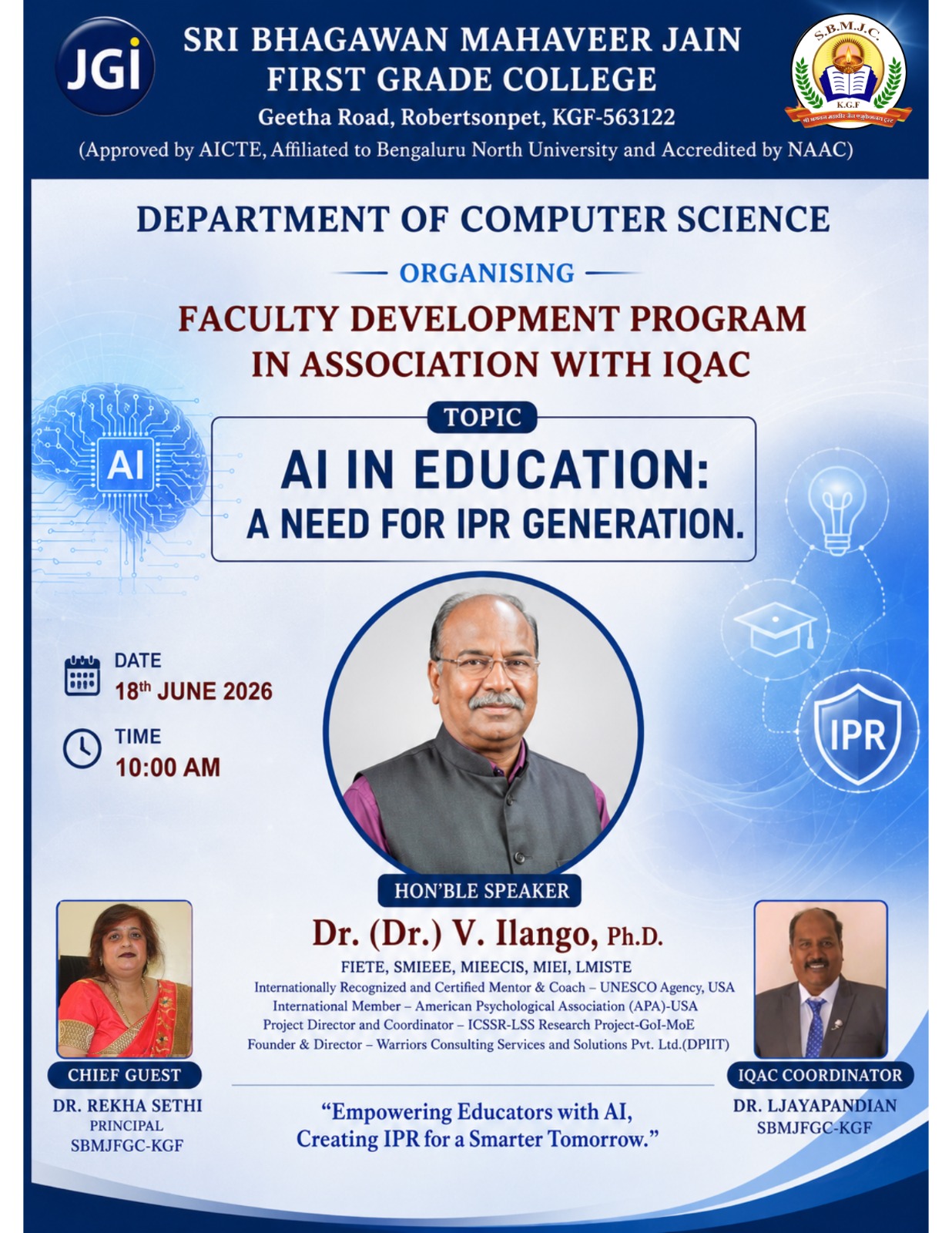
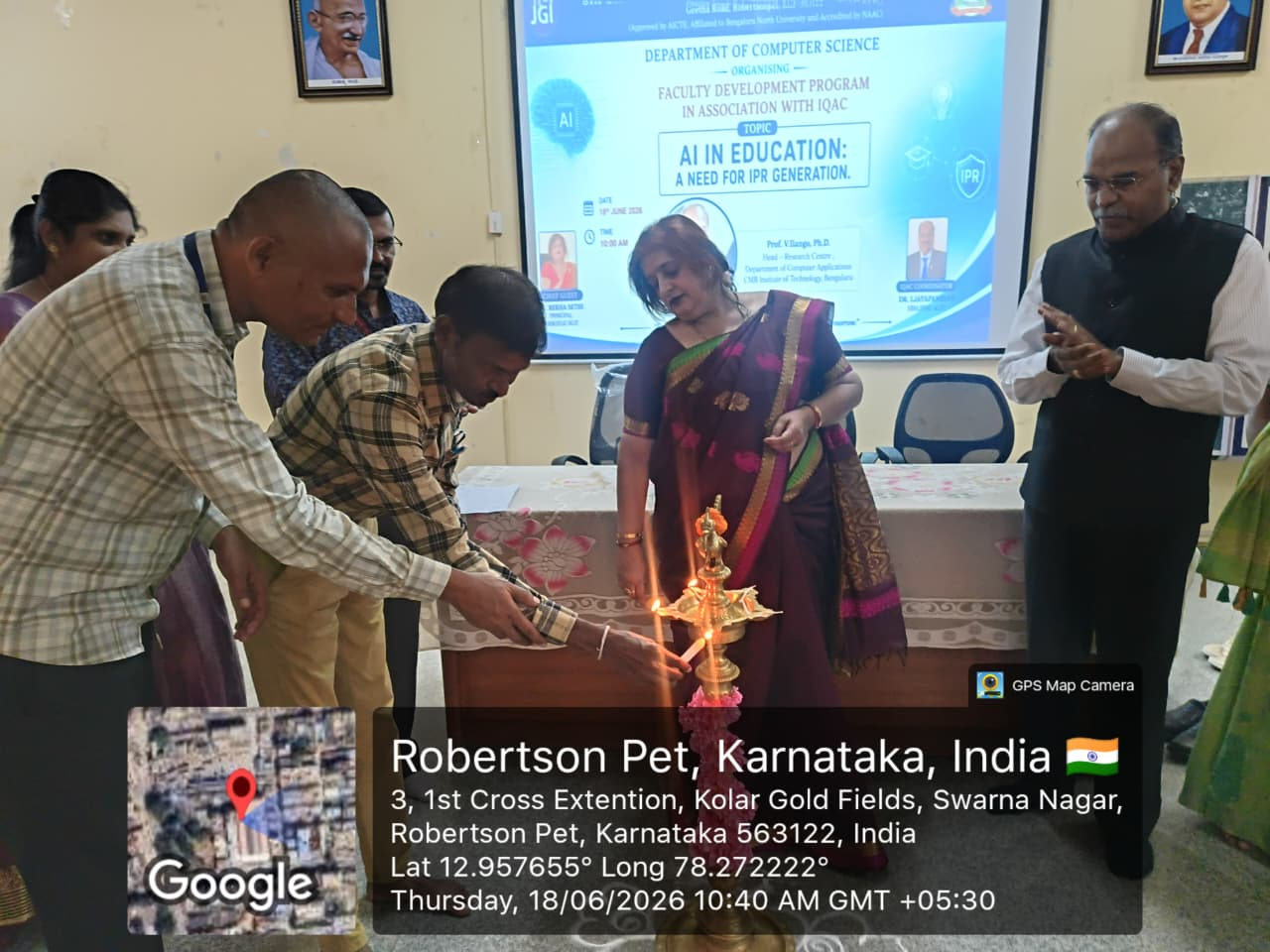
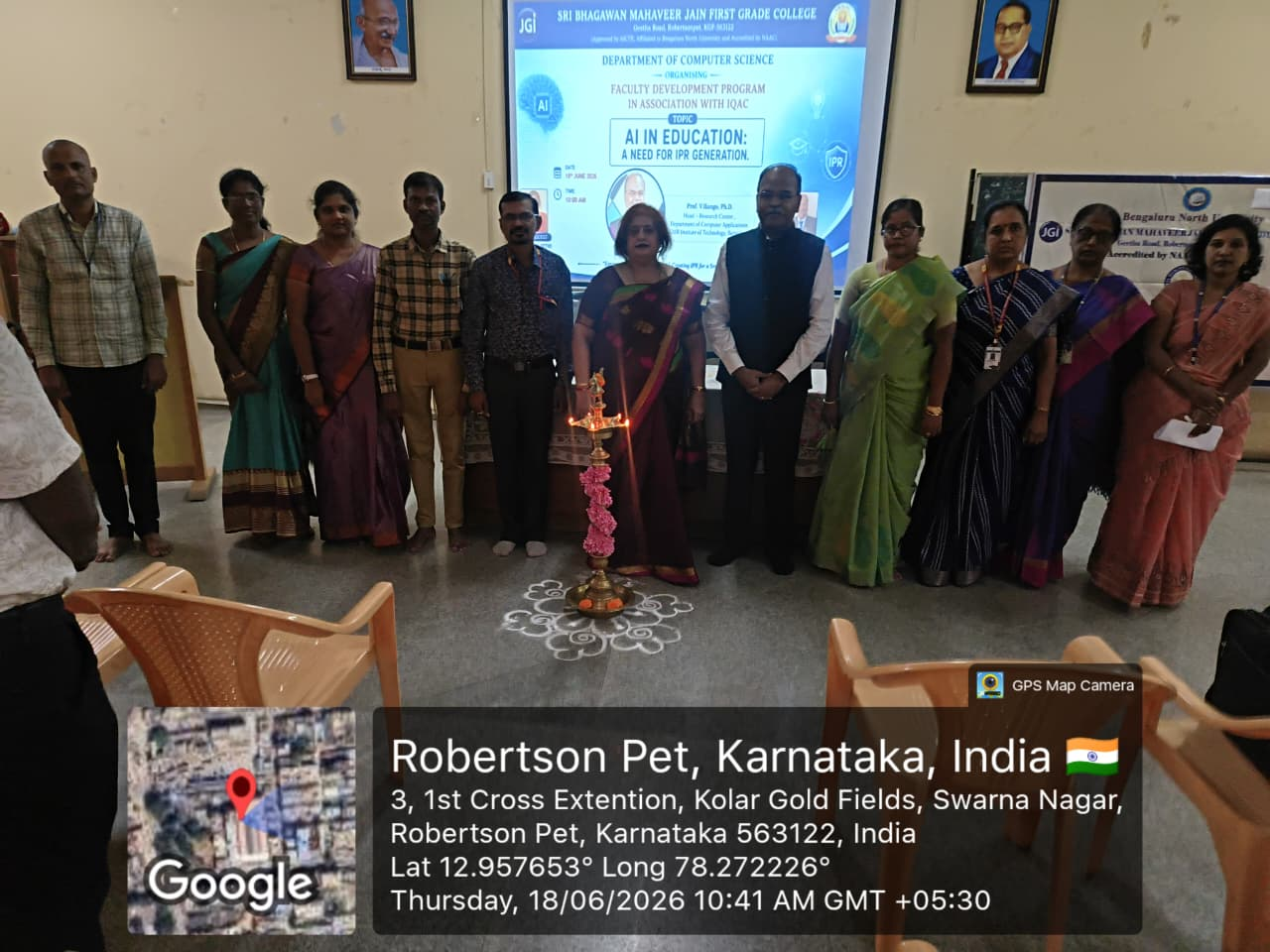
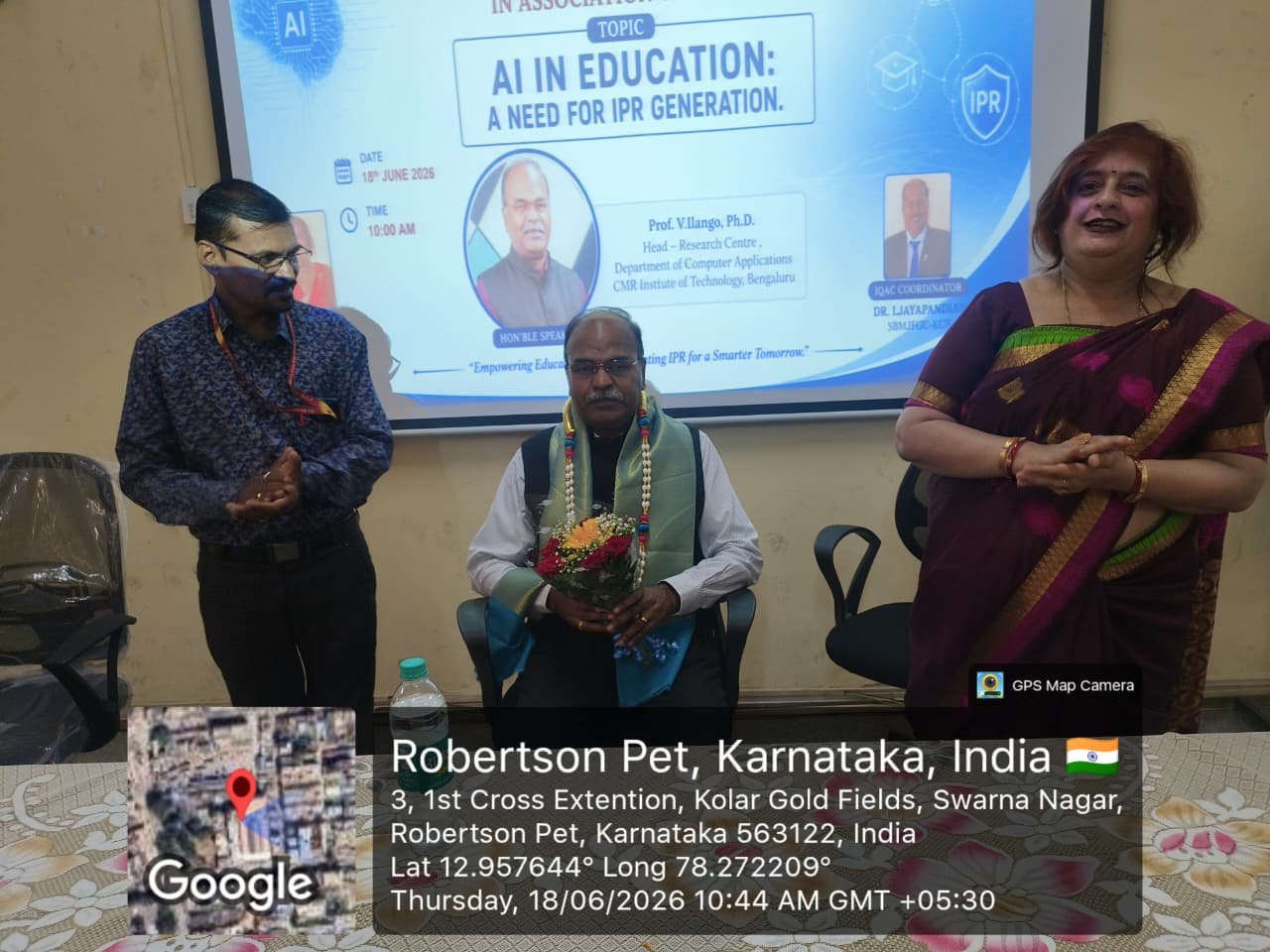
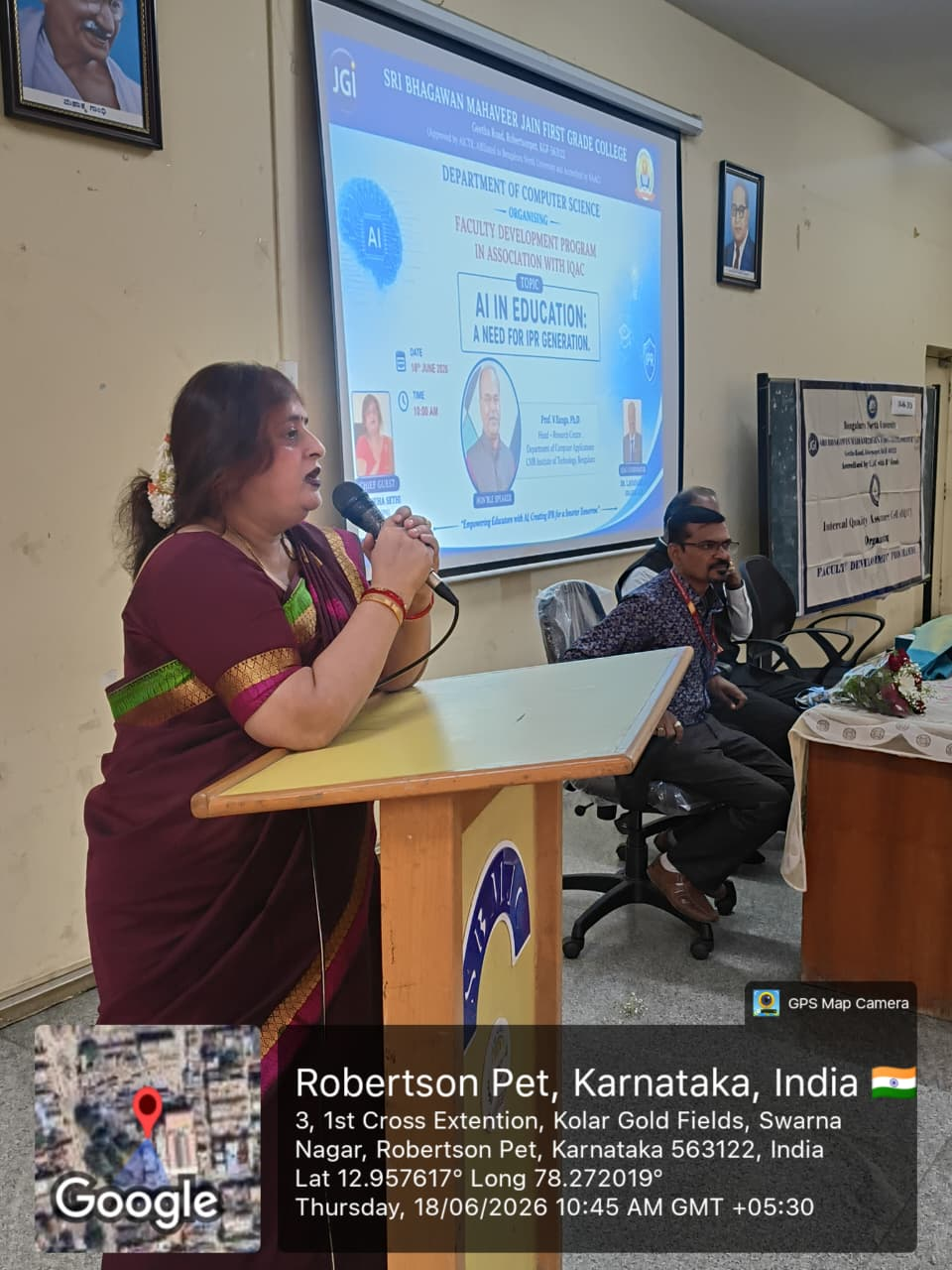
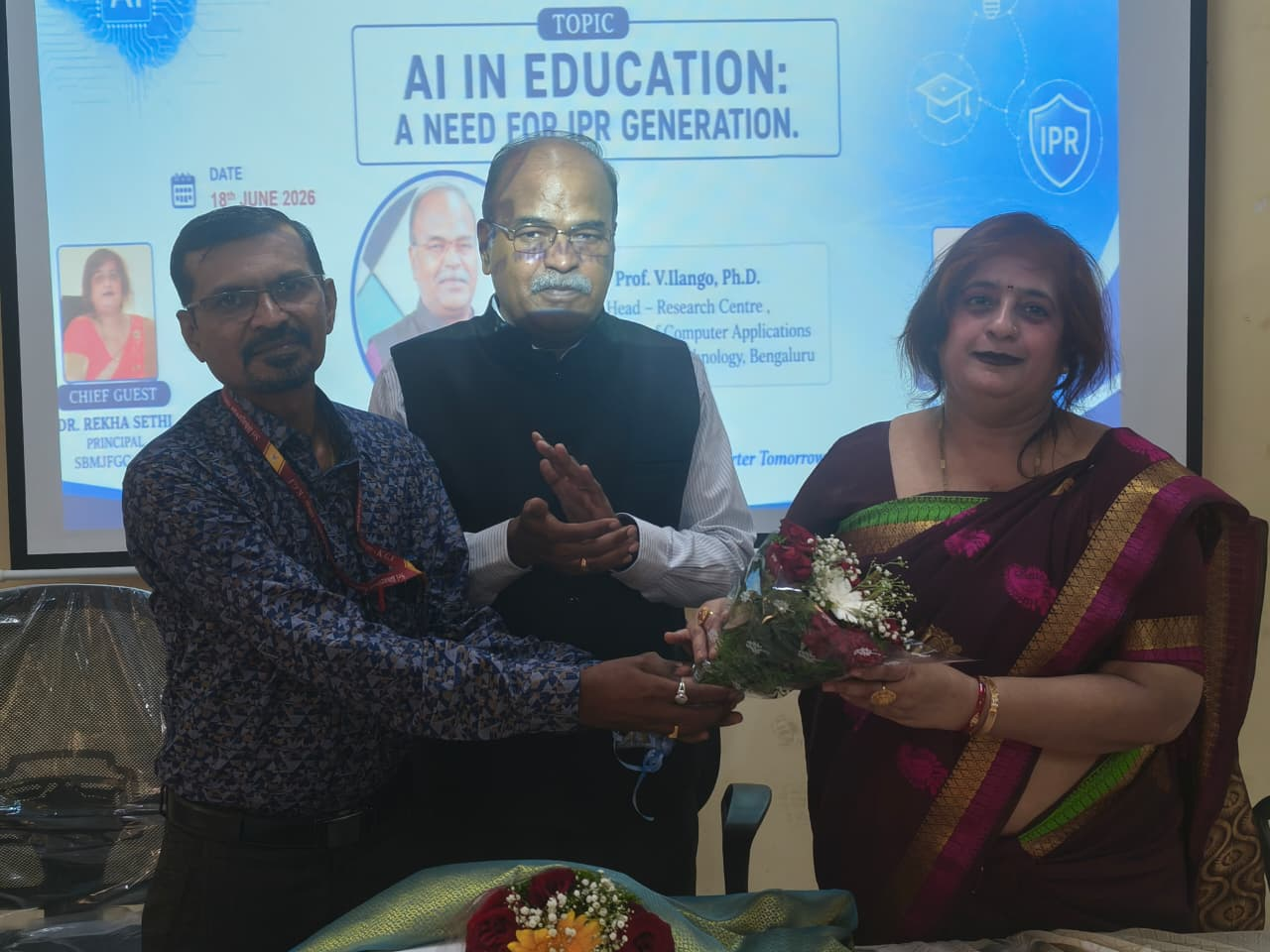
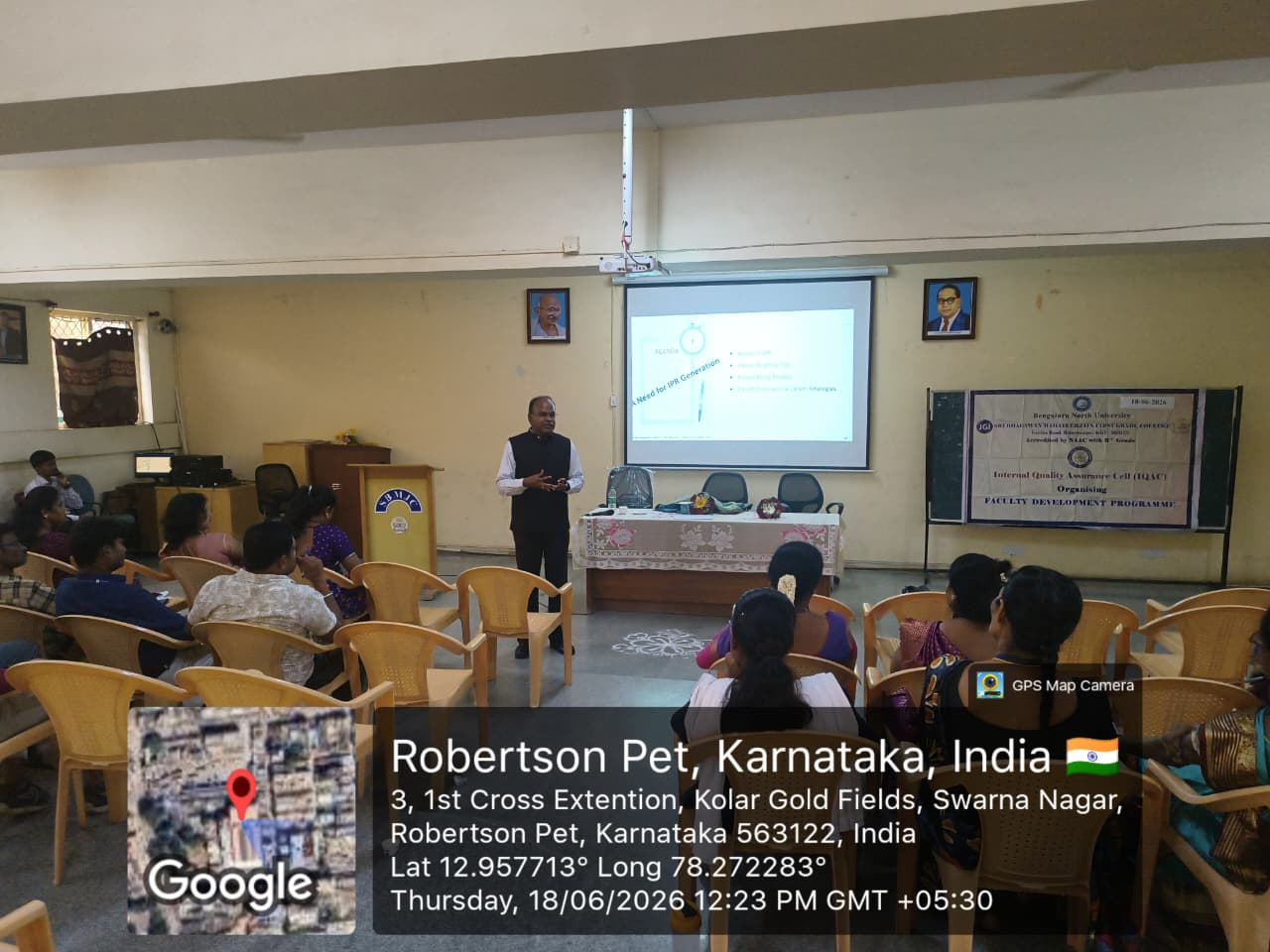
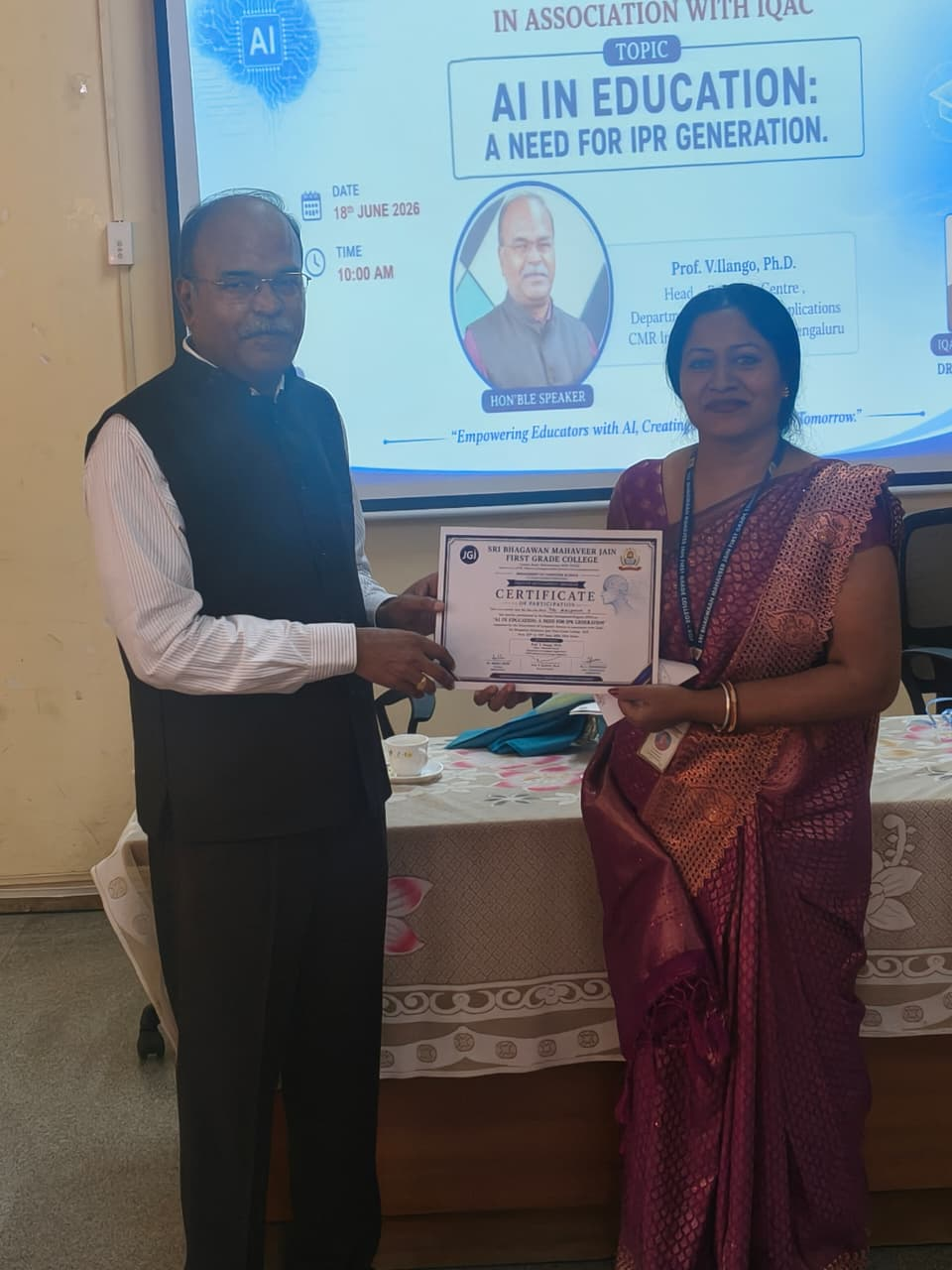
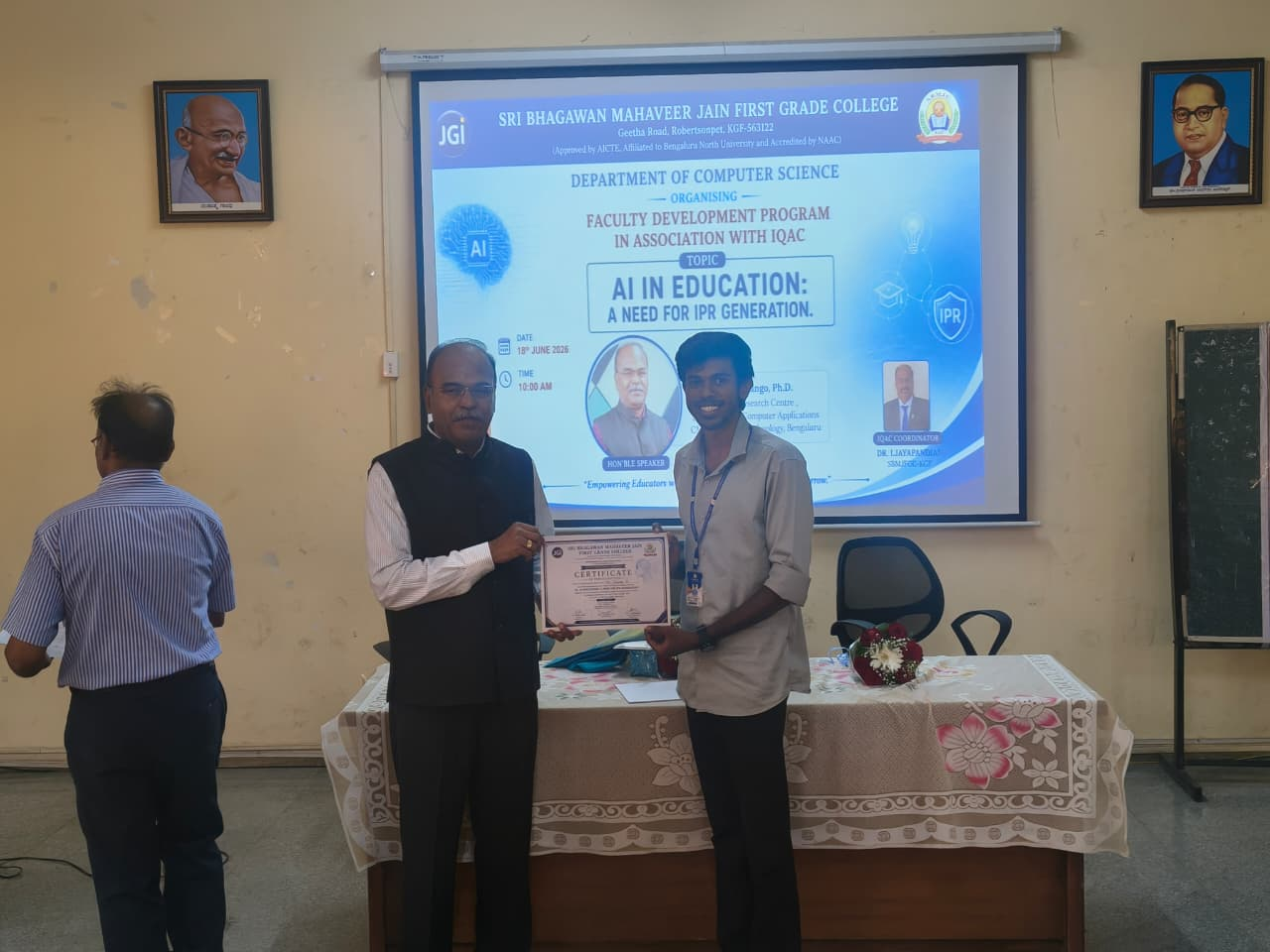
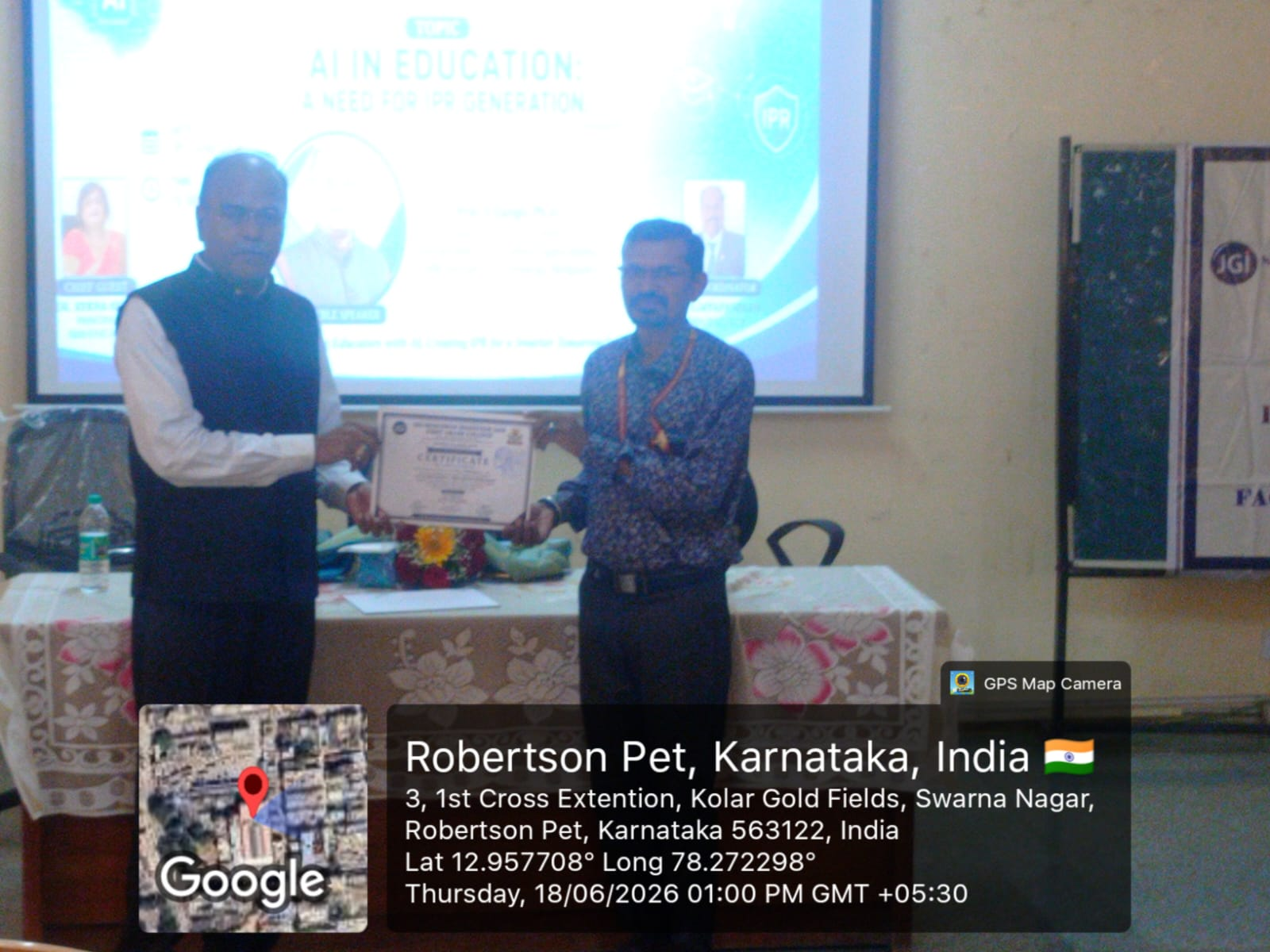
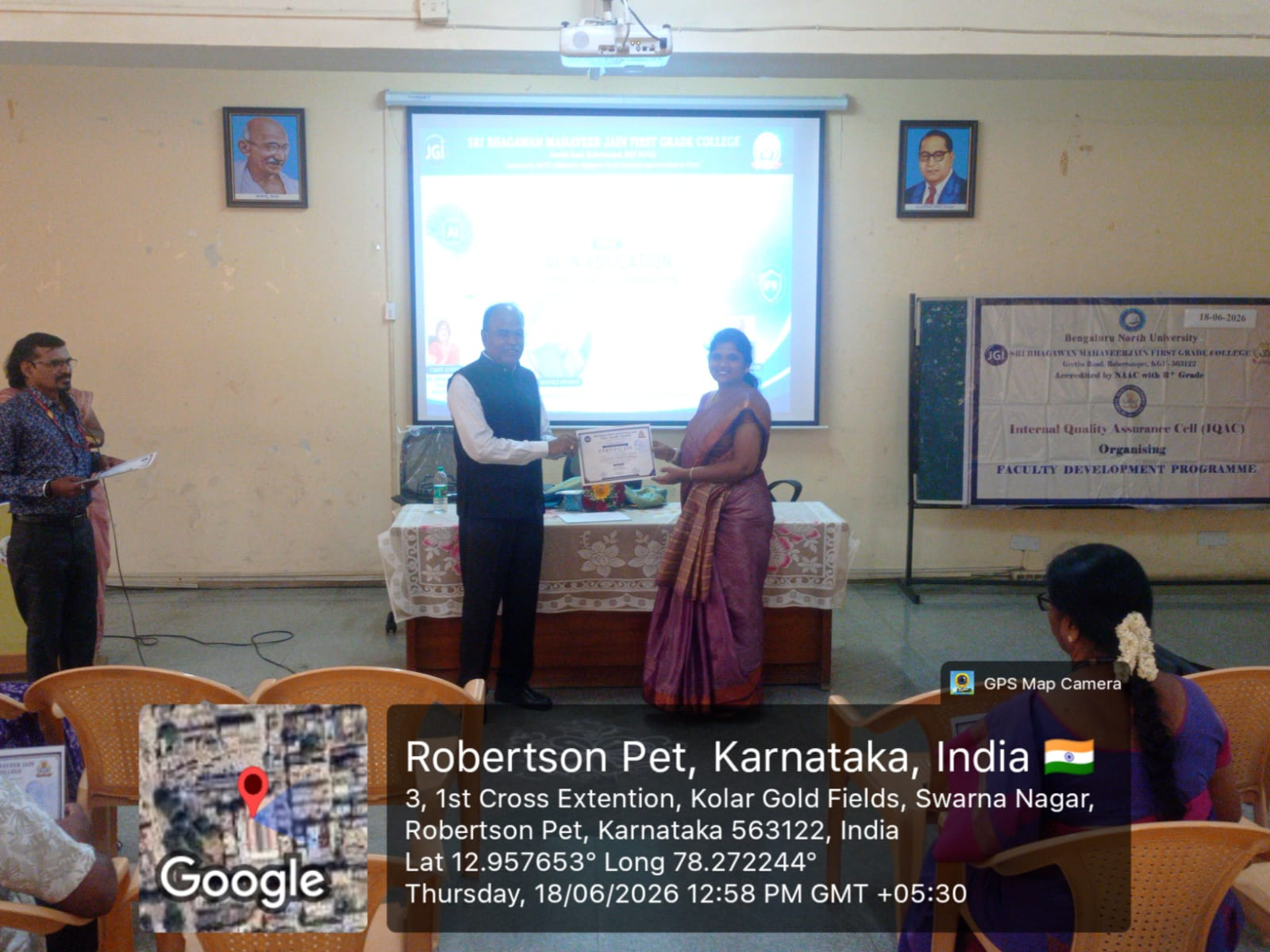
The Department of Computer Science Organised FDP [Faculty Development Program]
Date : 18/06/2026
At: Auditorium SBMJFGC-KGF
Organized by: Department of Computer Science, SBMJFGC, KGF in association with IQAC
Total Faculty Participants : 55
Resource Person :
Dr. Ilango
FIETE (Fellow of the Institution of Electronics and Telecommunication Engineers) SMIEEE (Senior Member, Institute of Electrical and Electronics Engineers)
Internationally Recognized and Certified Mentor & Coach – UNESCO Agency, USA International Member – American Psychological Association (APA), USA Project Director and Coordinator – ICSSR-ICSSR Research Project-GoI-MoE Founder & Director – Warriors Consulting Services and Solutions Pvt. Ltd. (DPIIT)
Title of FDP : “AI in Education: A Need for IPR Generation”
The Principal is addresed a Faculty Development Programme (FDP) on “AI in Education: A Need for IPR Generation”,
1. AI-Driven Knowledge Creation and Intellectual Property
Artificial Intelligence is transforming higher education from knowledge consumption to knowledge generation. Faculty and researchers must leverage AI tools to create patentable innovations, copyrighted content, and proprietary educational technologies.
2. Integration of AI in Research and Innovation Ecosystems
AI-powered analytics, machine learning models, and data-driven decision-making can accelerate research outcomes, leading to increased patent filings, technology transfers, and commercialization opportunities.
3. Intellectual Property Rights (IPR) as a Measure of Academic Excellence
Modern accreditation frameworks such as NAAC and NIRF increasingly recognize patents, copyrights, and innovation outputs as indicators of institutional quality and global competitiveness.
4. AI-Assisted Patent Discovery and Prior-Art Analysis
Advanced Natural Language Processing (NLP) systems can automate patent searches, identify research gaps, and support novelty assessment, reducing the time required for innovation validation.
5. Generative AI for Educational Content Development
Generative AI technologies enable faculty members to create original digital learning resources, virtual laboratories, simulations, and adaptive educational materials that can be protected through copyrights and licensing mechanisms.
6. Building an Innovation-Centric Academic Culture
Educational institutions must establish AI Innovation Cells, Incubation Centers, and IPR Facilitation Units to encourage faculty and students to convert research outcomes into intellectual assets.
7. Ethical AI and Ownership of AI-Generated Content
As AI contributes to research and content creation, institutions must develop clear policies regarding authorship, inventorship, copyright ownership, and ethical use of AI-generated outputs.
8. AI-Based Multidisciplinary Research for Patent Generation
The convergence of AI with domains such as healthcare, agriculture, cybersecurity, biotechnology, and environmental science creates opportunities for high-impact patents and industry collaborations.
9. Commercialization of Academic Innovations
The true value of IPR lies not only in obtaining patents but also in technology transfer, startup creation, licensing agreements, and industry partnerships that contribute to economic development.
10. Vision for AI-Enabled Universities and Future Readiness
Institutions must transition toward AI-enabled smart campuses where research, innovation, entrepreneurship, and IPR generation become integral components of teaching and learning, preparing students for the Fourth Industrial Revolution and the emerging knowledge economy.
Session 1: AI in Education – Key Technical Points (As Delivered by Resource Person Dr. Ilangoo)
Artificial Intelligence as a Transformative Educational Technology
AI is revolutionizing teaching-learning processes through intelligent automation, adaptive learning systems, and personalized education pathways.
Machine Learning-Based Personalized Learning
AI algorithms analyze student performance data to customize content delivery, learning pace, and assessment strategies according to individual learner needs.
Natural Language Processing (NLP) in Education
NLP technologies power chatbots, virtual tutors, automated essay evaluation systems, and multilingual educational platforms to enhance learner engagement.
Predictive Analytics for Student Performance Monitoring
AI models can identify at-risk students through behavioral and academic data analysis, enabling early intervention and improved retention rates.
Intelligent Tutoring Systems (ITS)
AI-driven tutoring systems provide real-time feedback, personalized guidance, and adaptive instruction similar to one-on-one teaching environments.
Generative AI for Content Creation
Advanced AI models can generate lesson plans, question banks, case studies, laboratory manuals, and interactive learning materials, reducing faculty workload.
AI-Powered Assessment and Evaluation
Automated grading systems, plagiarism detection tools, and competency-based evaluation frameworks improve assessment efficiency and transparency.
Learning Analytics and Educational Data Mining
AI extracts actionable insights from large educational datasets, helping institutions improve curriculum design, teaching effectiveness, and student outcomes.
Ethical AI and Responsible Usage in Academia
Educational institutions must address concerns related to data privacy, algorithmic bias, academic integrity, transparency, and responsible AI governance.
Future of AI-Enabled Smart Education Ecosystems
The integration of AI with IoT, Cloud Computing, AR/VR, Digital Twins, and Learning Management Systems (LMS) will create intelligent, data-driven educational environments supporting lifelong learning.
1. Importance of Intellectual Property Rights (IPR) in Academia
Intellectual Property Rights protect innovations, research outcomes, software, educational content, and creative works generated by faculty and students.
2. Patentability Criteria
An invention must satisfy three essential requirements:
Novelty (new and not disclosed previously)
Inventive Step (non-obvious advancement)
Industrial Applicability (practical utility)
3. Prior Art Search Before Patent Filing
Researchers should conduct a comprehensive patent search using databases such as the World Intellectual Property Organization PATENTSCOPE and the Indian Patent Office databases to ensure originality.
4. Types of Patent Applications
Provisional Patent Application
Complete Specification Patent
National Patent Filing
International Patent Filing through the Patent Cooperation Treaty mechanism
5. Patent Drafting Methodology
A patent document must include:
Title of Invention
Abstract
Technical Field
Background
Detailed Description
Drawings/Flowcharts
Claims (most critical section)
6. Copyright Protection for Academic Works
Copyright safeguards:
Research papers
Books and study materials
Software source code
Multimedia educational content
E-learning modules and digital resources
7. Copyright Registration Process
Copyright protection exists upon creation, but registration provides stronger legal evidence of ownership and facilitates dispute resolution.
8. AI-Generated Content and Ownership Challenges
The emergence of Generative AI raises questions regarding authorship, originality, ownership rights, and legal protection of AI-assisted works.
9. Technology Transfer and Commercialization
Patents and copyrights can be monetized through:
Licensing agreements
Industry collaborations
Startups and spin-off companies
Royalty-based commercialization
10. Role of Faculty in IPR Generation
Faculty members should transform research projects, innovative teaching methodologies, software applications, and product prototypes into protected intellectual assets, thereby enhancing institutional innovation rankings.